Safety · 8 min read
Gel polish without HEMA and TPO: what changed and how to check
TPO has been banned in cosmetics since 1 September 2025; HEMA has been restricted to professional use since 2021. What that means for what is in your drawer and how to read a label.
Updated 2026-09-23
TPO: banned since September 2025, not restricted
TPO is a photoinitiator, the substance that triggers curing under the lamp. Its full name is Trimethylbenzoyl Diphenylphosphine Oxide; labels may also show Diphenyl(2,4,6-trimethylbenzoyl)phosphine oxide. For years it was a routine ingredient in gels and gel polishes.
The European Commission added it to the list of substances prohibited in cosmetic products, and since 1 September 2025 products containing TPO may be neither used nor sold in the European Union. Manufacturers, importers and distributors had to withdraw them from the market by 31 August 2025. The ban covers professional use too, so it is not only about shelves in a drugstore but about drawers in salons.
The reason, per the Czech Ministry of Health, is skin irritation and reproductive toxicity: with repeated or long-term exposure TPO can harm fertility and affect foetal development. The risk comes mainly from inhaling dust and from skin contact before curing, which is the nail tech's situation, not the client's once a month.
Source: Czech Ministry of Health, press release on the TPO ban in nail modelling gels.
HEMA: not banned, but restricted
HEMA (Hydroxyethyl Methacrylate) and Di-HEMA Trimethylhexyl Dicarbamate, by contrast, are still allowed. Commission Regulation (EU) 2020/1682 placed them on the restricted list: in nail products they may be used for professional use only, and the packaging must carry the wording “For professional use only” and “Can cause an allergic reaction”.
The rule has applied since 3 June 2021, and non-compliant products had to leave the market by 3 September 2021. The Scientific Committee on Consumer Safety attached an important condition: HEMA does not pose a sensitisation risk provided it is applied to the nail plate only and contact with the surrounding skin is avoided.
That contact is exactly where it goes wrong in practice. Flooding the sidewalls, product on the finger, an uncured layer during an infill — that is how most acrylate allergies start. And an acrylate allergy is for life; it will show up again at the dentist and with orthopaedic cements.
How to check what is in your drawer
The check takes a few minutes and needs nothing but the label and a phone.
- Find the ingredient list (INCI) on the packaging. On professional products it is usually on the back or on the box.
- Look for Trimethylbenzoyl Diphenylphosphine Oxide. If it is there, the product may not be used from 1 September 2025.
- Look for Hydroxyethyl Methacrylate and Di-HEMA Trimethylhexyl Dicarbamate. If they are there, both warnings must be on the packaging.
- Ask your supplier for the Cosmetic Product Safety Report (CPSR). It is mandatory under Regulation (EC) No 1223/2009 and a serious supplier has it ready.
- Check that the product has a responsible person established in the EU. Without one it cannot be placed on the European market.
What to do if you find TPO in your stock
The product may not be used on clients and may not be resold. Set it aside and take it up with the supplier you bought it from — withdrawal is their duty, not yours.
Do not put it in household waste. Uncured gel is chemical waste and belongs at a collection point.
If a supplier claims the ban does not apply to professional use, they are wrong. The regulation does not split the market into consumer and professional.
What it means for the client in the chair
In practice: good material and clean work at the sidewalls. A client cannot tell the formula from the smell or the shine, but she can tell heat under the lamp, red sidewalls and itching the next day. Those are signals not worth walking past.
For a studio it is also an argument you can say out loud. If your whole range is free of HEMA and TPO, put it on the price list and on the door — in 2026 a share of clients already ask about it themselves.
Where VERSE stands
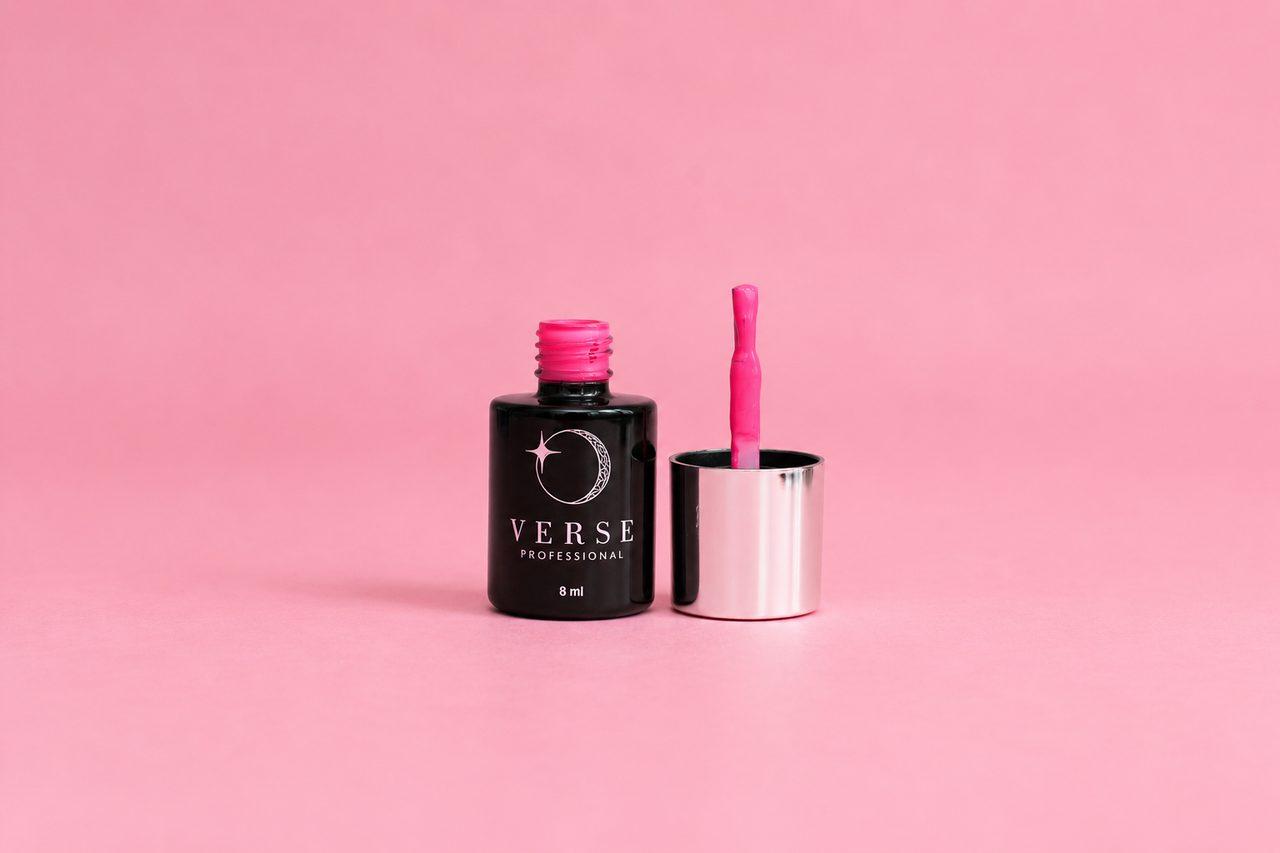
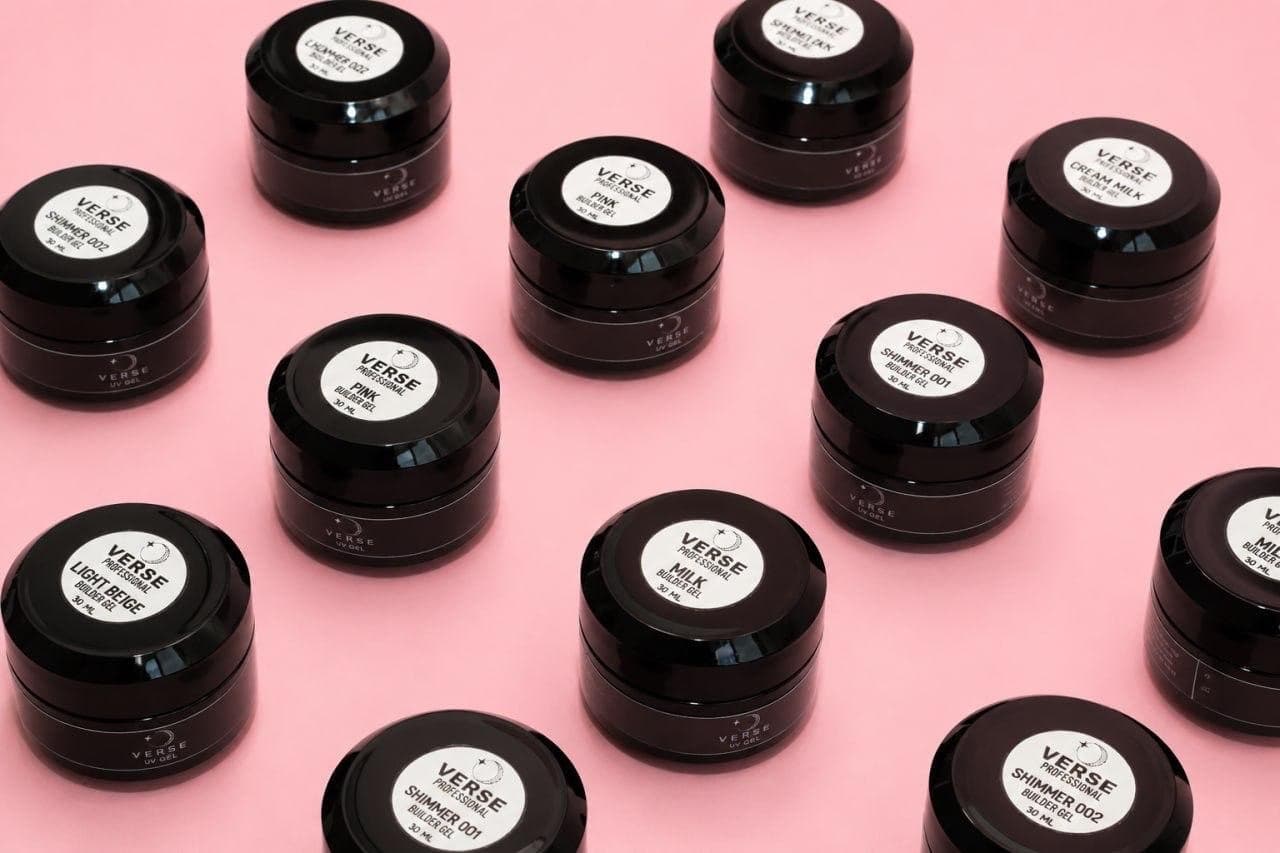
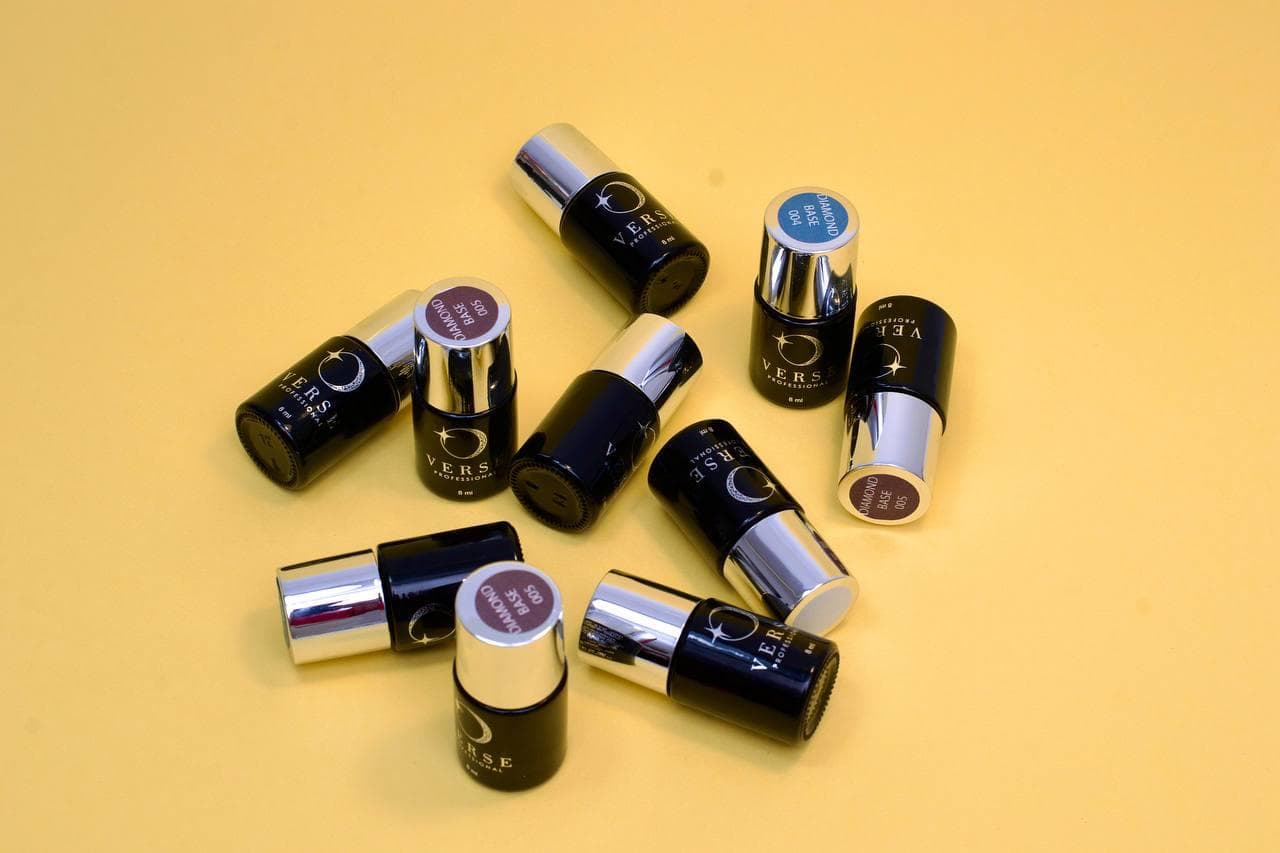
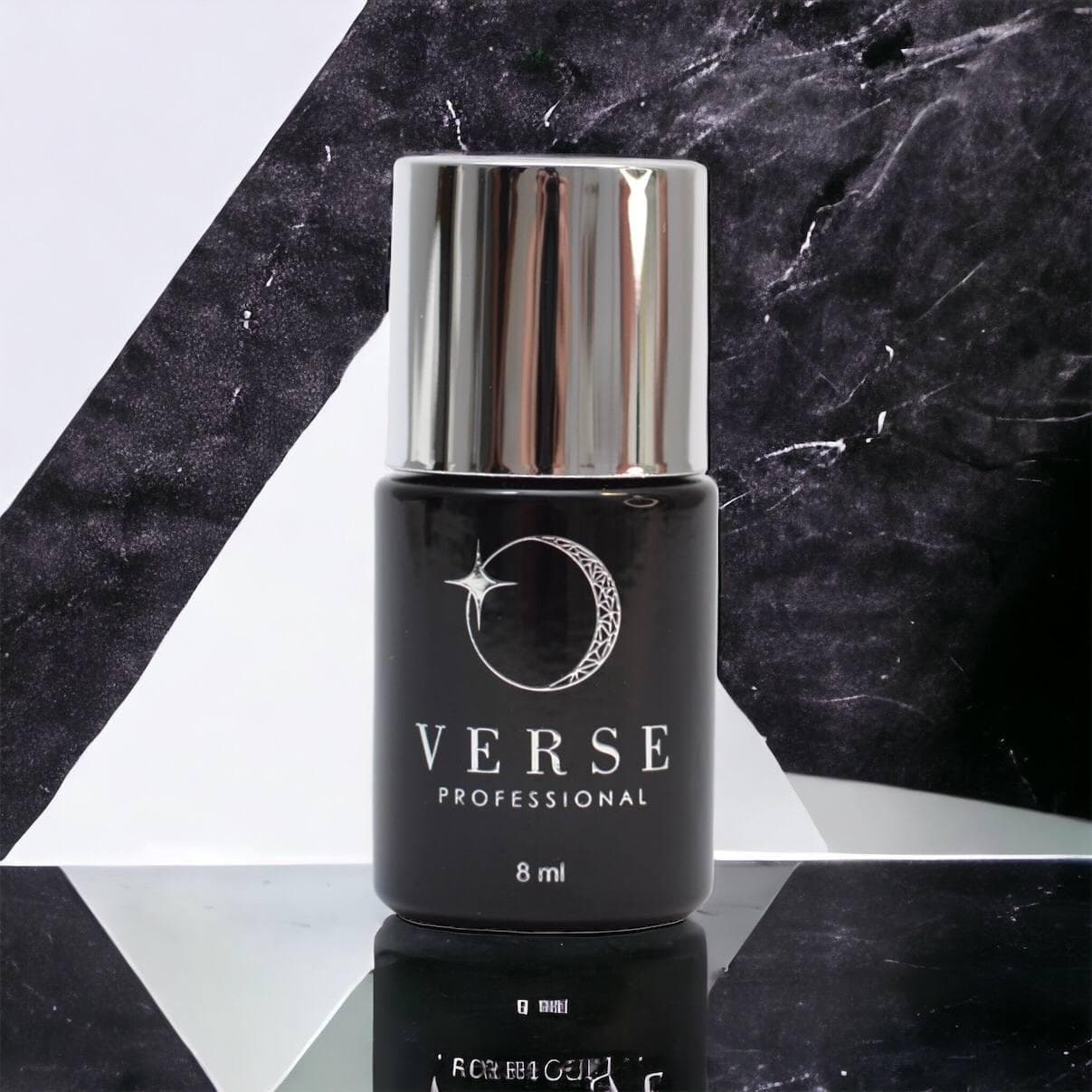
The entire VERSE Professional range is free of HEMA and TPO across every category: gel polishes, bases, top coats, builder gel, liquid gel and polygel. A Cosmetic Product Safety Report under Regulation (EC) No 1223/2009 is kept for every product.
This is not a marketing label added in 2025 because of the ban. The range was put together by a working nail technician who uses it herself every day, and the formulation criteria were in the brief from the start.
Frequently asked
- Is HEMA banned?
- No. HEMA and Di-HEMA Trimethylhexyl Dicarbamate have been restricted to professional use since 3 June 2021 under Regulation (EU) 2020/1682. The packaging must carry “For professional use only” and “Can cause an allergic reaction”.
- From exactly when does the TPO ban apply?
- From 1 September 2025. Manufacturers, importers and distributors had to withdraw products containing TPO by 31 August 2025. The ban covers professional use in salons as well.
- How do I know a gel polish is HEMA free?
- From the ingredient list. If the INCI contains neither Hydroxyethyl Methacrylate nor Di-HEMA Trimethylhexyl Dicarbamate, the product is HEMA free. A claim on the front is only a claim; the ingredient list decides.
- What is a CPSR and must a supplier have one?
- A Cosmetic Product Safety Report. Under Regulation (EC) No 1223/2009 it must exist before a product is placed on the market. Without it a supplier has nothing to sell.